Hidden Plumbing Issues to Check Before Your Bathroom Remodel
Planning for proper bathroom renovations involves much more than simply selecting the perfect shower tile and modern plumbing fixtures. The team at Brouwer Home Renovations knows that what sits hidden behind the painted drywall is just as important as the surface finishes. Overlooking hidden plumbing issues during the initial planning phase leads to incredibly costly tear outs and severe water damage down the line. We believe in inspecting every single pipe and drain connection thoroughly before any new cosmetic material is installed.
Older properties often hide aging water supply lines and improper drain venting that fail rapidly once daily water use increases. Addressing these structural plumbing problems at the very start ensures your new bathroom functions properly without unexpected pooling or leaks. A proactive approach to demolition gives you peace of mind and heavily protects the financial investment you are making in your property. Taking the time to evaluate your pipe system guarantees a reliable and durable result.
What We Cover:
- Recognizing Outdated Pipe Materials
- Do I need to replace old plumbing during a
bathroom remodel?
- Red Flags to Watch for With Contractors
- Questions You Must Ask Before Booking
- Move Forward With Confidence
Recognizing Outdated Pipe Materials
Many older residential homes in Cambridge still rely on original builder plumbing lines that have far exceeded their expected safe lifespan. Materials like heavy galvanized steel or older thin walled copper pipes corrode from the inside out severely reducing water pressure and causing hidden pinhole leaks. Spotting these failing materials early means you can budget for a full line upgrade before the walls are permanently closed up with fresh drywall and expensive tile.
- Galvanized Pipes: Look for dull thick gray pipes that are magnetic and show heavy signs of crusty rust near the threaded joint connections.
- Polybutylene Lines: Check for flexible gray plastic tubing from the eighties that is notorious for sudden catastrophic ruptures and severe property damage.
- Corroded Copper: Watch for chalky green oxidation crusting around soldered joints which directly indicates a slow weeping water leak.
Do I need to replace old plumbing during a bathroom remodel?
Replacing old plumbing is highly recommended when the wall studs and floor joists are already exposed during a full remodel project. Leaving fifty year old brittle pipes attached to a brand new high pressure custom shower system is incredibly risky and often voids manufacturer fixture warranties. Upgrading to modern durable PEX tubing or fresh thick walled copper ensures your new expensive fixtures will receive adequate water pressure and remain totally leak free.
Red Flags to Watch for With Contractors
The local renovation industry unfortunately has operators who will gladly take structural shortcuts to finish a residential job quickly and get paid. Knowing exactly what to look out for helps you completely avoid hiring someone who might ignore critical municipal plumbing codes or hidden rot issues. A reputable tradesman will always be entirely honest about the poor condition of your home even if it means delivering bad news regarding your budget.
- Skipping Permits: Be extremely wary of any general contractor who confidently tells you a full plumbing drain layout change does not require a municipal building permit.
- Refusing Inspections: Avoid rapid builders who want to rush to cover up newly installed water pipes before a formal city pressure test and inspection occurs.
- Vague Estimates: Watch out for short unwritten quotes that do not specifically list the exact materials and pipe types being used for the rough in plumbing phase.
Questions You Must Ask Before Booking
Hiring the right trusted professional means asking highly detailed questions about their demolition process and their specific local trade knowledge. You are entirely within your legal rights to request complete clarity on how they handle unexpected rot or mold issues behind the walls. Getting these honest answers in writing protects your wallet and sets extremely clear expectations for the entire duration of the project.
- Assessment Process: Ask exactly how they plan to physically evaluate the current drain plumbing before heavy demolition begins.
- Contingency Funds: Inquire about exactly how much of the total budget should be reserved for hidden wood rot or full pipe replacement.
- Associated Trades: Clarify if they use fully licensed local plumbers for the technical connections or if they attempt to handle it themselves.
- Subfloor Repair: Question their specific method for replacing water damaged floor joists or soft plywood subfloors if a slow leak is discovered under the old tub.
- Warranty Terms: Request highly detailed written information on exactly how long their workmanship is guaranteed against plumbing leaks after the job is finished.
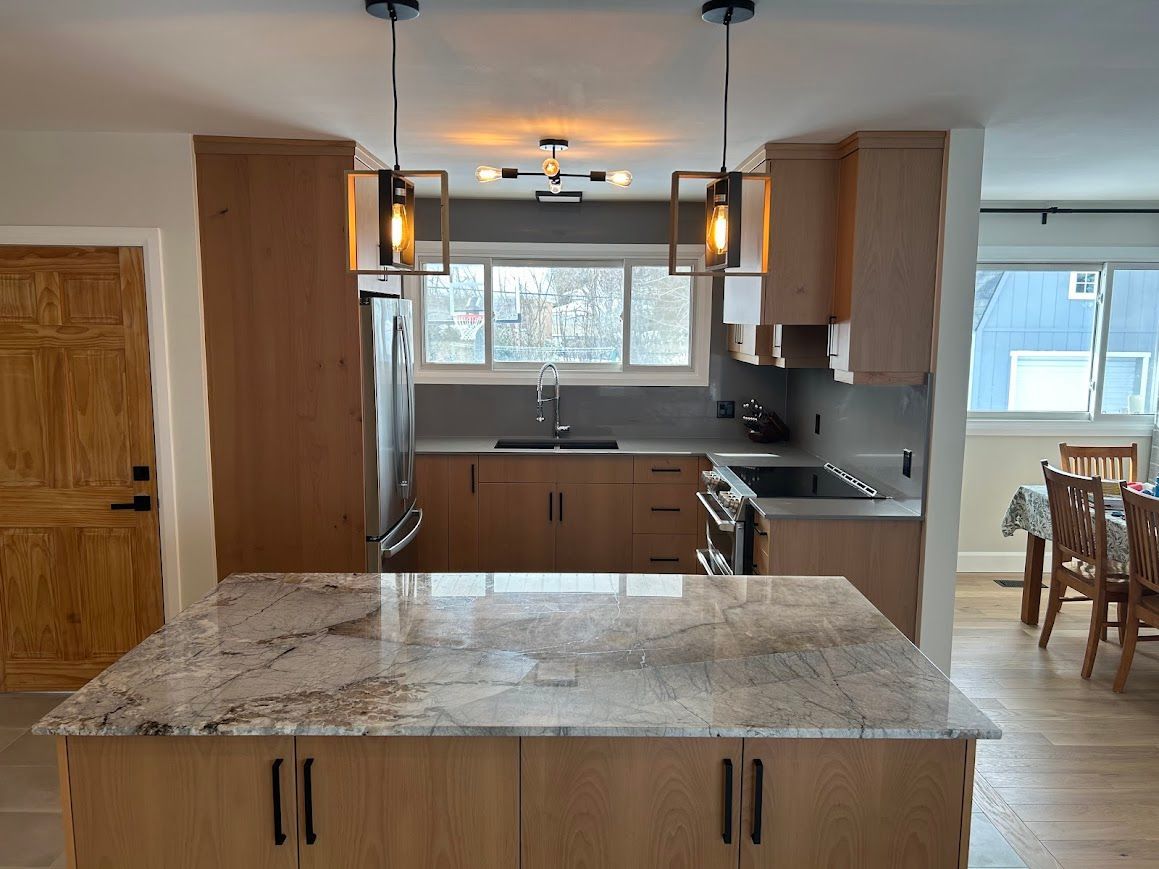
Taking the time to ask these hard questions is just as important when planning kitchen renovations or any other major interior project involving water lines.
Move Forward With Confidence
Understanding exactly what hides behind your bathroom walls empowers you to make smart financial choices regarding your property upgrades. Fixing the hidden functional plumbing issues first guarantees your beautiful new relaxing space will stand the test of time. Contact us today to discuss your vision and schedule a detailed in home inspection of your property.
Share This Blog