The Honest Truth About Repainting Your Old Wood Kitchen Cabinets
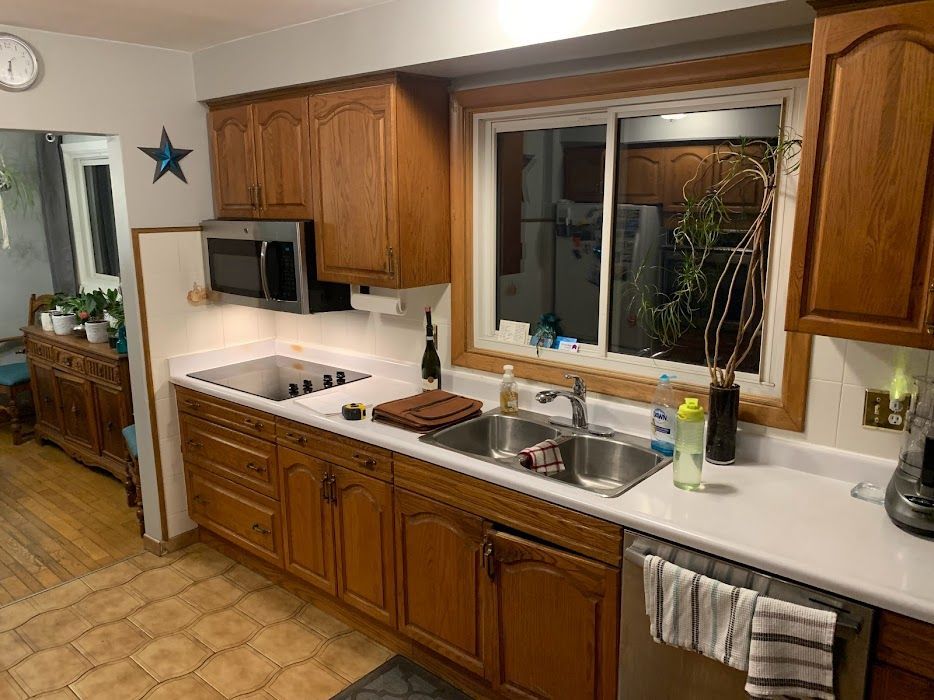
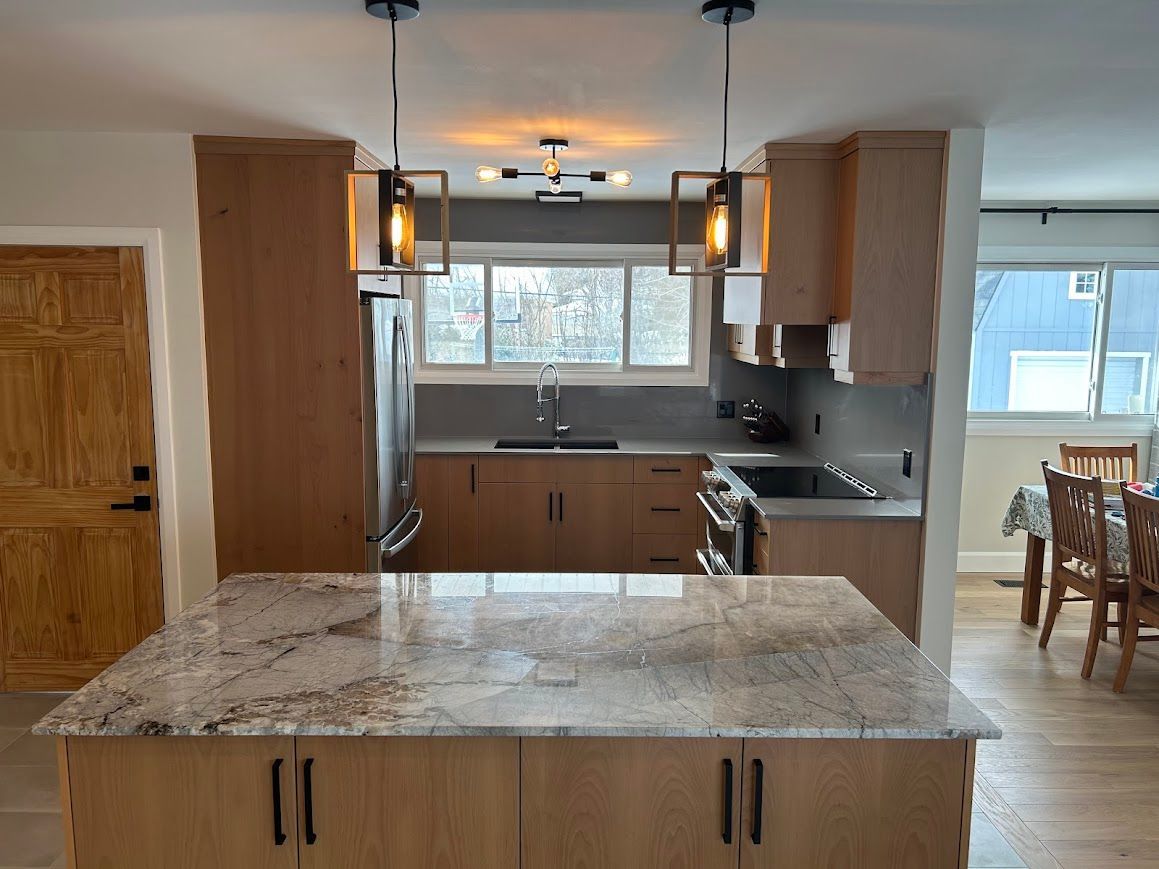
Upgrading an aging cooking space often leads homeowners to look for quick fixes that promise massive visual changes on a tight budget. At Brouwer Home Renovations we constantly see properties where people have tried rolling fresh paint over worn out wooden doors. The honest truth about repainting your old wood kitchen cabinets is that this cheap surface fix rarely survives the heavy demands of daily family cooking. Slapping a thin coat of liquid color onto heavily used oak or damaged medium density fiberboard is a temporary bandage at best.
We believe our clients deserve highly durable finishes that look factory fresh and actually withstand years of heavy impacts. A busy residential property requires solid materials that do not immediately scratch or peel the moment a metal pan bumps against them. Taking an honest look at the physical limitations of repainted millwork helps you avoid wasting money on a completely failed project. Understanding why full replacement is often the superior financial choice guarantees your kitchen renovations hold their value.
What We Cover:
- The Reality of Paint Adhesion on Old Grease
- Physical Wear and MDF Water Damage
- Timelines and Hidden Costs of Refacing
- Frequently Asked Questions
- Invest in Lasting Cabinetry
The Reality of Paint Adhesion on Old Grease
The single biggest misconception about painting old cabinetry is that a quick sanding block will prepare the surface perfectly. Homeowners in Kitchener-Waterloo vastly overestimate the gripping power of standard latex paints on doors that have absorbed years of microscopic cooking oils. Even with aggressive chemical degreasers the porous wood grain often holds onto invisible grease completely preventing the new primer from actually bonding. Once the paint cures it sits weakly on top of the oil layer and immediately begins chipping off around the handle areas within a few short months.
→ From a professional standpoint: Factory finished cabinets are baked in a climate controlled spray booth which produces a hardened lacquer shell that a standard paint roller can never replicate.
Physical Wear and MDF Water Damage
Older homes often feature cabinets constructed from builder grade particle board or wrapped fiberboard that has severely degraded over the decades. When water drips repeatedly down the front of a sink base cabinet it swells the internal wood fibers causing the door edges to permanently expand and burst. Painting over swollen fiberboard does absolutely nothing to fix the structural rot and the painted surface will remain bumpy and totally uneven. If your underlying wooden boxes are structurally failing or smelling musty no amount of expensive surface paint will save them from needing total replacement.
→ A quick tip to remember: You should always press firmly on the bottom shelf of your sink cabinet to check for soft spongy rot before deciding to keep the existing boxes.
Timelines and Hidden Costs of Refacing
Many people assume that keeping their old cabinet frames and just paying a professional to paint the doors will be incredibly fast and cheap. The reality is that professional cabinet painting requires massive amounts of intensive manual labor to properly mask off your entire house and spray toxic chemicals. Your home becomes a hazardous construction zone for over a week while the spray crew coats the fixed frames and you still end up with old sticky drawer tracks. When you compare the high labor costs of professional spraying against the price of brand new modern cabinetry the financial gap is surprisingly small.
→ From a professional standpoint: Investing in brand new cabinets gives you access to modern soft close hardware and deep pots and pans drawers that old painted boxes simply cannot offer.
Frequently Asked Questions
How long do painted kitchen cabinets last?
A DIY cabinet painting job typically begins showing severe signs of chipping and peeling around the high traffic knobs within twelve to eighteen months. Even a highly professional sprayed finish will normally start wearing through the topcoat on the garbage pullout and sink base after roughly four years of heavy daily use. Truly long lasting cabinets require a chemically catalyzed factory conversion varnish rather than standard residential house paint.
Is it cheaper to reface or replace kitchen cabinets?
Refacing is initially cheaper than a full custom replacement because you are not paying for new wooden base boxes or the labor to install them. However if you are also paying to replace old drawer boxes and upgrading to modern heavy duty hinges the total cost of refacing quickly approaches the price of brand new millwork. Full replacement remains the vastly superior long term financial investment for any busy household.
Why is my cabinet paint peeling off so fast?
Paint peels rapidly off cabinet doors when the underlying surface was not aggressively sanded and chemically stripped of all cooking grease before the primer was applied. Standard acrylic latex wall paint also remains slightly rubbery when dry causing it to easily peel like a sticker when scratched by fingernails or jewelry. Using the wrong type of soft residential paint in a heavy duty culinary environment guarantees immediate finish failure.
Invest in Lasting Cabinetry
Knowing the severe physical limitations of painted wood helps you avoid spending thousands of dollars on a finish that quickly fails. Investing your hard earned budget in brand new custom millwork ensures you get a flawless and highly durable result.
Reach out to our design experts today to explore heavy duty cabinet options that will actually survive your busy household routine.
Share This Blog